A year after a clean ultrasound and light legs, a patient emails me a photo of a new blue rope on her calf. She remembers the relief after her radiofrequency ablation, wonders what she did wrong, and asks if the treatment “didn’t take.” This is the most common conversation in vein care. Fixing a diseased vein is step one. Keeping symptoms away for the long haul takes a different plan.
Why veins come back when you thought they were gone
Recurrence means different things. True recurrence is when the same vein reopens or re-routes flow and becomes leaky again. Neovascularization is new tiny vessels forming around a treated segment. Progression is when a different vein segment, not previously diseased, develops reflux over time. Most patients who say “my veins are back” are seeing progression, not failure of the original procedure.
Why does this happen? The venous system is a network with built-in detours. When we close a bad segment, blood reroutes through healthier paths. If underlying risk factors remain, pressure still pushes downward and sideways. Over years, valves in neighboring veins can fail. Genetics pulls hard. Standing all day, long sitting, weight gain, pregnancy, and hormonal shifts raise the stakes. Heat and dehydration thicken blood and dilate vein walls, which is why veins bulge more in summer heat and legs feel heavy on July afternoons. None of this means treatment was pointless. It means the disease is chronic, like gum disease, and maintenance matters.
A quick map of what was treated
Patients often mix up terms, and clarity helps you care for your legs with confidence. Superficial veins, like the great saphenous and small saphenous, live under the skin. They carry only a small share of leg blood but cause most visible problems when valves fail. Deep veins sit in the muscle compartments. They do the heavy lifting and connect to the heart. Perforating veins bridge the two systems. Reflux is backward flow in any of these veins that lasts more than about half a second on ultrasound. That backward flow stretches the vein, raises pressure in the skin, and produces symptoms like achy heaviness, itching, ankle swelling, and night cramps. When cosmetic veins become a medical issue, it is often because reflux in a larger source vein is driving what you see on the surface.
Treatments vary by target. Heat based closure like radiofrequency ablation or endovenous laser treats long refluxing trunks. Medical glue and mechanochemical ablation do the same without heat. Ultrasound guided foam sclerotherapy closes bulging branches. Microphlebectomy removes ropey surface segments. Surface sclerotherapy treats spider veins. If you only treat the surface without addressing the source, recurrence is likely. If you addressed the source but skip maintenance, progression somewhere else is common.
The first six weeks set the tone for years
What you do early influences how well the vein seals and how your body reroutes blood. The same patient can have different results depending on these details. In our clinic we favor simple, specific guardrails.
- Wear your prescribed compression socks as directed, usually daytimes for 1 to 2 weeks, then for long days on your feet or travel. Walk 10 to 20 minutes, three to five times daily during the first week, and avoid prolonged stillness. Keep hydration up, aiming for pale yellow urine, especially in heat or after flights. Skip heavy leg day and high impact workouts for a week or two, and reintroduce gradually. Elevate calves above heart level for 15 minutes, twice daily, during the first week to limit swelling.
Compression is not punishment. It is a tool that reduces superficial venous pressure while new flow patterns settle in. Do compression socks really prevent vein disease? They do not change genetics, but they improve symptoms, reduce swelling, and may slow progression when used consistently in the right moments, such as work shifts on your feet, flights, and long drives.
Hydration helps in two ways. Adequate plasma volume keeps blood viscosity lower, which eases microcirculation. After vein treatment, inflammation peaks in the first few days. How hydration impacts recovery after vein treatment shows up in clinic as fewer tight, hot, tender segments and faster bruise resolution. Caffeine is fine in moderation, but large doses can constrict vessels transiently and increase perceived palpitations, which some patients misread as “circulation issues.” If coffee is your routine, keep it steady, not spiky.
Sleep matters. Does poor sleep worsen vein disease? Indirectly, yes. Poor sleep raises cortisol and inflammatory signaling, which can delay healing. The trick is not fancy. A consistent sleep window, calf elevation for 10 to 15 minutes before bed, and avoiding tight waistbands at night can reduce next day swelling.
What really causes itch, cramps, and ankle swelling after treatment
Itch on a varicose cluster before or after treatment signals skin changes from chronic inflammation. Why do varicose veins itch and how clinics treat it? Microleaks of iron and inflammatory proteins into the skin drive dermatitis. Topical steroid for a short course, fragrance free emollients, and source vein treatment help. If itch continues after closure, ask about residual branches or a superficial phlebitis flare, both common and treatable.
Can vein clinics help with leg cramps at night? Often, yes. Nocturnal cramps can stem from electrolyte imbalance or nerve issues, but in vein patients they often reflect static venous pressure that irritates calf muscle. Treating reflux, gentle calf stretching, magnesium if your diet is low in leafy greens and nuts, and consistent walking reduce episodes.
Can vein clinics treat ankle swelling effectively? When swelling is driven by superficial venous hypertension, trunk treatment plus compression works well. If swelling is stubborn, we look for hidden drivers, such as deep vein obstruction, lymphatic dysfunction, or medications like calcium channel blockers. The relationship between vein health and the lymphatic system is important. Lymphatics clear protein rich fluid from tissues. Vein hypertension burdens lymphatic flow. If lymphatic reserve is low, you need a combined plan, not just vein closure.
The role of ultrasound after you feel better
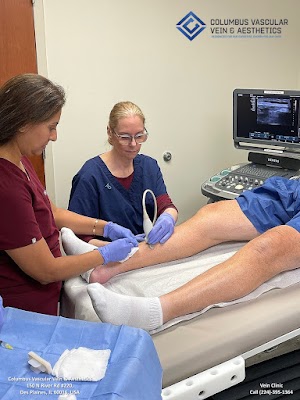
You may feel great two weeks after ablation. That is good news, not the end of the story. Follow up ultrasound is the most reliable way to confirm the treated segment is closed, detect endothermal heat induced thrombosis if heat was used, and find residual reflux in tributaries. Importance of ultrasound in vein diagnosis does not stop at the start. It is critical in surveillance. How accurate are vein clinic screenings? A thorough duplex exam by an experienced sonographer, performed with you standing and using reflux provoking maneuvers, is very accurate for superficial reflux. Pelvic and iliac vein issues need specialized protocols.
How often should you check your vein health? For most patients with treated superficial reflux and no history of deep clot, a scan at 1 to 3 weeks, again around 3 to 6 months if symptoms persist, then annually or every other year if risk is high makes sense. Pregnancies, major weight changes, and new symptoms are reasons to come sooner.
Habits that bend the curve in your favor
Vein biology responds to pressure and inflammation more than anything. You cannot change your parents, but you can reduce day to day forces that stretch valves.
Standing all day loads your superficial system. Can standing all day damage your veins permanently? Over years, yes, if reflux forms and remains untreated. Does sitting too long cause vein disease? Prolonged sitting does not cause reflux by itself, but it triggers pooling, swelling, and clot risk, and it aggravates symptoms. Aim for micro movement. Set a gentle reminder every 30 to 45 minutes to do calf pumps or brief walks. Elevate when you can. Desk workers, teachers, retail and service workers, and healthcare workers share this risk pattern. The job title changes, the physiology does not.
Footwear matters more than people expect. How footwear impacts vein health comes down to calf pump efficiency. A flexible sole and low heel let your ankle move, which drives venous return. Do high heels contribute to vein disease? Routine high heel use shortens calf muscles and reduces ankle motion. This limits your natural pump. Save heels for short windows, and walk in flats to and from work.
Can tight clothing restrict vein circulation? Around the thigh or groin, yes. It can pinch superficial outflow and create visible engorgement Des Plaines, IL vein clinic below. Choose waistbands and shapewear that do not leave deep marks after a few hours.
Exercise does not need to be heroic. Does walking daily prevent vein issues? It does not erase genetic risk, but it powers the calf pump and manages weight. Running raises transient venous pressure with foot strike, yet for most patients the benefits outweigh the spikes, as long as you avoid early return after treatment and choose forgiving surfaces. How running impacts vein pressure in legs is less important than whether your trunk reflux is fixed and your footwear supports your gait. Can cycling help improve vein circulation? Yes. It uses the calf and thigh without high impact and is a good bridge activity after procedures. Weight lifting is fine with common sense. Can weight lifting worsen varicose veins? Heavy valsalva maneuvers and breath holding can surge abdominal pressure and slow venous return. Exhale through the effort, avoid max lifts during recovery weeks, and build volume before intensity.
Hydration is simple and surprisingly effective. How dehydration affects vein health and treatment results shows up as thicker blood, sluggish microflow, and more leg heaviness at day’s end. Set cues you already follow, like water with every coffee and a glass after each bathroom break. On flights, double your usual water intake and skip the second drink.
Diet influences the tissue that holds veins in place. How diet influences vein strength and elasticity is not about miracle foods. It is about consistent intake of vitamin C for collagen, protein for repair, and flavonoid rich produce that may reduce capillary leak. Best foods for vein health recommended by clinics typically include citrus, berries, leafy greens, legumes, and nuts. Can supplements improve vein treatment outcomes? Some patients feel better with rutosides or diosmin, which may reduce swelling and discomfort. Evidence is mixed, but the safety profile is good for most people. Always check for drug interactions if you take anticoagulants.
Smoking is a direct hit to your veins. How smoking damages your veins is not only arterial. Nicotine causes vasoconstriction and impairs endothelial function. Reflux tends to be more symptomatic, and healing is slower. If you smoke, stopping before and after a procedure will improve comfort and outcomes.
Heat, travel, and other real life stress tests
Summer makes vein patients frown. Heat relaxes vein walls and increases pooling. Why veins bulge more in summer heat is basic physics. Plan around it. Cool showers, earlier walks, and compression on long outdoor days help.
Travel loads every risk factor at once, and we see it in clinic the week after holidays. How travel affects vein health and swelling is a mix of cabin pressure, immobility, salt intake, and dehydration. Can flying worsen varicose veins permanently? An isolated flight is unlikely to change valve mechanics, but it can worsen symptoms and raise the chance of a superficial or deep clot in susceptible people. If you have active varicose veins, a family history of clots, obesity, or recent surgery, talk to your clinician about your route and timing.
Here are vein clinic tips for frequent travelers that patients actually use:
- Wear knee high compression on travel days, put them on before swelling starts, and keep them on until you reach your destination. Book an aisle seat, stand every hour, and do 20 slow calf raises while waiting for the restroom. Hydrate before boarding, order water with any caffeinated or alcoholic drink, and go easy on salt. Pack a soft ball under your desk at the hotel and roll your arches for two minutes morning and night. Space heat exposures. If you love saunas or hot tubs, keep sessions short and cool off with a walk.
Hormones, pregnancy, menopause, and aging
How hormones impact vein health over time is not abstract. Progesterone relaxes smooth muscle in vein walls. During pregnancy, blood volume increases by roughly half, the uterus compresses pelvic veins, and valves are under strain. How pregnancy changes your veins long term depends on your baseline and number of pregnancies. Many women see spider veins appear suddenly on legs in the second or third trimester, often around the knee and ankle. Some varicose veins shrink after delivery, others persist. Good news, treatment is usually deferred until after delivery, but compression and elevation can calm symptoms now. If you had vein procedures before pregnancy, expect more visible surface veins later, even if the original trunk remains closed. This is progression, not necessarily failure.
Does menopause increase risk of vein disease? Declining estrogen affects collagen organization and skin support, which can make veins more visible and prone to stretch. Why veins become more visible with age is a combined effect of thinner skin, less subcutaneous fat, and more years of cumulative venous load. What causes veins to darken in color? Deoxygenated blood in dilated superficial veins appears bluish or green. Brown staining near the ankle signals hemosiderin from long standing leakage, and it takes months to fade after pressure is reduced. Can vein treatments improve skin texture? When hypertension falls and inflammation calms, the skin often looks and feels healthier over 3 to 12 months. Early treatment has cosmetic and medical payoffs.
Why some veins hurt and others do not
Patients ask why some bulges are ugly but painless and a small purple patch burns. Pain reflects pressure, inflammation, and nerve proximity. A big trunk on the thigh may be soft and quiet. A small cluster near the ankle sits in tighter tissue with more nerve endings, so it throbs. Superficial thrombophlebitis hurts sharply for days to weeks, especially after a long day. Elevation, compression, and anti inflammatory medication usually settle it. If redness spreads or pain shoots upward, get assessed quickly to rule out deeper involvement.
Leg fatigue is another underappreciated clue. Why leg fatigue may signal vein problems comes down to oxygen exchange. Stagnant venous blood crowds capillaries, and muscles starve faster during activity. Many patients say they “lose their legs” on stairs by afternoon. After treatment, they are surprised their energy returns. Can vein treatments improve energy levels? Indirectly, yes. Less pooling means better oxygen delivery. The gain is most noticeable in people who walked less because legs felt heavy.
Getting the diagnosis right the first time
How vein clinics detect hidden vein problems starts with a detailed story. We ask about pregnancies, job demands, family history, clots, injuries, and surgeries. We note ankle swelling patterns, skin changes, and prior treatments. The ultrasound is not a quick peek. It maps sources and routes, checks for deep obstruction, and tests perforators. What is vein reflux and why it matters is not a slogan. If your surface veins are just the outlet of a deeper source, treating the outlet alone sets you up for quick recurrence. How blood flow direction impacts vein health is the whole game. Flow should move up and in. When it moves down and out, fix the source. A trustworthy clinic explains this in plain language, shows you the map, and personalizes the plan. How to evaluate vein clinic credentials includes asking who performs the ultrasound, how they confirm closure, what their retreatment rate is, and how they handle complex vein cases like prior DVT, lipedema overlap, or pelvic sources.
When things do not go as planned
Why some vein treatments fail and how to avoid it often comes down to incomplete mapping, wrong target, or poor follow up. Trunks can recanalize if energy or medication dose is inadequate, if diameter is large, or if post procedure compression is skipped in selected cases where it adds benefit. Foam can miss segments if the leg is not positioned to trap the sclerosant. Common mistakes after vein treatment procedures include returning to heavy lifting on day two, ignoring new calf pain after travel, and treating only spider veins when a leaking trunk is still open. These are solvable with clear instructions and supportive follow up.
What happens if vein disease goes untreated? Symptoms usually progress. Skin changes thicken. Ulcers can form near the ankle. The connection between vein disease and blood clots is real. Superficial clots can extend into deep veins, especially near junctions. This is rare after modern procedures with proper surveillance, but it is a reason the first follow up matters.
Realistic timelines and expectations
How long vein procedures actually take is short. Most ablations run 20 to 45 minutes. What recovery really feels like after vein treatment is more like a deep bruise and a pulled hamstring than a surgical wound. Tender cords, tugging with dorsiflexion, and occasional zings are common for 7 to 21 days. How soon you see results from vein treatments depends on the method. Bulging veins shrink over weeks. Spider veins look worse before better and may need 2 to 4 sessions. What results to expect after each procedure type should be spelled out. Trunk closure success rates exceed 90 percent in competent hands. Tributaries often need staged work. Can vein treatments be combined safely? Yes. Many patients do a trunk ablation with microphlebectomy the same day. Surface sclerotherapy is often staged later when bruising resolves. How multiple treatments improve final outcomes is not about upselling. It is about fixing sources, branches, and skin level networks in a logical sequence.
Why follow up visits are critical for vein care ties to recurrence prevention. We verify closure, treat residuals before they become big again, and update your maintenance plan as life changes. Clinics that track progress after treatment with standardized photos, symptom scores, and serial ultrasounds catch small problems early. How clinics manage patient expectations is part education, part honesty. Vein disease is manageable for life. The tools are good. The habits are yours.
A maintenance playbook you can live with
You do not need a new identity to keep results. You need a few durable rules that bend your pressure curve.
- Move your calves every hour during workdays, even if just 30 ankle pumps under the desk. Use compression on heavy days, travel days, and whenever swelling threatens. Keep weight in a range that feels strong, avoid rapid weight loss that can reduce calf muscle size, and build strength back if pounds drop fast. Mind heat. Cool off after saunas or hot tubs with a brisk 10 minute walk. Check in yearly if your risk is high, sooner if pregnancy, new symptoms, or job changes raise load.
Why rapid weight loss can affect veins is not vanity. Subcutaneous fat supports superficial veins. Lose it too fast, and veins can appear more prominent, even if reflux is stable. Obesity affects vein treatment success by increasing vein size and pressure and complicating access. Both ends of the weight spectrum deserve thought. Strong calves are your daily pump.
Special cases and edge questions patients ask
Why athletes develop spider veins when they are “fit” comes up a lot. Impact sports create high repetitive venous pressure. Surface networks dilate as pressure relief valves. Most athletes recover well, but surface sclerotherapy may be needed for appearance. Vein health risks for desk workers look different, but the pressure time product may be similar. Genetics decides who shows it first.
Can tight leggings be worn after treatment? Yes, as long as they do not bunch and cut in at the knee or groin. Compression goes closest to the skin, tights over them.
Does sitting cross legged cause vein disease? It can transiently compress popliteal flow, but it is not a root cause. If you already have reflux, long holds may worsen swelling. Uncross and recross often.
Can children develop vein problems early? Rarely, but congenital venous malformations and very early onset reflux exist. These require specialized care. How vein clinics treat genetic vein conditions involves imaging, targeted sclerotherapy, and long term monitoring. Genetic factors behind vein disease explained in a sentence: the quality of your vein wall and valve tissue is inherited. Hormones, load, and environment expose the blueprint.
Can vein disease affect heart health? Indirectly. Chronic inflammation and reduced activity due to leg pain can worsen cardiovascular risk factors, but venous disease does not cause heart failure. The systems are separate but influence each other through movement and metabolism.
Why clinics talk so much about expectations, trust, and tech
What makes a vein clinic trustworthy is not a fancy lobby. It is transparent mapping, clear reasoning about sources and sequences, measured use of technology, and willingness to say no to unnecessary procedures. Latest innovations in vein treatment techniques matter when they solve a specific problem you have, not for their own sake. Laser vs injection treatments for veins explained briefly: lasers and radiofrequency close long refluxing trunks from within. Injections of sclerosant close branches and surface webs. Glue and mechanochemical devices avoid the need for tumescent anesthesia. How technology improves vein treatment outcomes depends on operator skill and proper selection more than the brand on the catheter. Why customized treatment matters for vein health is that your map is not your neighbor’s, and your life load is not theirs either.
What happens during a vein consultation visit should feel like collaboration. We listen. We examine standing. We scan. We trace your map on your skin or a diagram. We match your goals to what the map allows. Questions patients forget to ask vein specialists include whether pelvic sources were considered in women with thigh and vulvar varices, how perforators were assessed near ulcers, and what plan exists if a segment recanalizes. How to overcome fear of vein procedures starts with seeing the tools, knowing the time frames, and meeting patients who went before you. First time patients often get wrong that recovery will be like surgery or that they must stop all activity. The opposite is true. Gentle movement is the medicine.
Pulling it together for the long term
Preventing recurrence after vein procedures rests on three pillars. Fix the right source veins with the right tools, verify results with ultrasound, and live in a way that keeps venous pressure modest. None of these demands perfection. They ask for awareness and a few steady routines. If you wake with tight socks marks at the ankle, if your legs feel spent by mid afternoon, if new spider veins cluster around the knee, these are early warning signs of vein problems people ignore. Do not. Come in, get mapped, adjust the plan, and get back to life with lighter legs.