Venous disease rarely announces itself with drama. It starts as a dull ache at the end of a workday, a ropey line beneath the skin, or a swelling ankle that settles by morning only to return again. For some, the symptoms are cosmetic and frustrating. For others, they become disabling, with heaviness, throbbing, night cramps, restless legs, and skin changes that creep from pigment staining to ulcers. Professional vein treatment bridges this spectrum. Done well, it corrects the underlying circulation problem, eases symptoms, and improves appearance with minimal downtime. Done poorly, it chases surface veins without fixing the cause, leading to recurrence and disappointment.
I have seen both outcomes. The difference almost always comes down to three factors: a thorough evaluation, an evidence‑based treatment plan, and diligent follow‑up. The good news is that modern phlebology, delivered by an experienced vein specialist in a dedicated vein clinic, makes excellent results common rather than rare.
What’s Really Going On in Varicose and Spider Veins
Healthy leg veins carry blood back to the heart with the help of one‑way valves and the calf muscle pump. When valves fail, blood falls backward with gravity, a problem called venous reflux. Over time, pressure builds in the superficial venous system. Varicose veins bulge. Spider veins sprout along the skin’s surface. Fluid seeps into tissues, causing swelling and heaviness. In chronic venous insufficiency, inflammation thickens the skin and can culminate in ulcers near the ankles.
This process isn’t just an aesthetic issue. Reflux can feed clusters of spider veins as reliably as it expands varicosities. That is why a spider vein clinic that treats only the surface without an ultrasound map risks short‑lived results. Likewise, a cosmetic vein clinic can produce lovely before‑and‑after photos, yet if the source remains untreated, those wins fade. Professional vein treatment starts with understanding the flow problem, then targeting the source, not only the symptom.
Why Choosing a Dedicated Vein Treatment Center Matters
A general practice may offer injections or lasers for leg veins. Some do a competent job for straightforward cases. But venous disease has nuance. A vein treatment center, venous disease center, or vein and vascular clinic is designed for these nuances. The differences are practical:
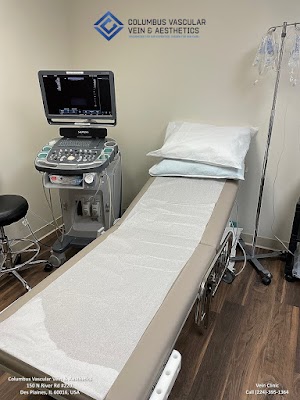
- A vein ultrasound clinic on site performs duplex ultrasound with patients standing, mapping reflux direction, duration, and vein diameter. This is the backbone of accurate diagnosis. A comprehensive vein care team includes a vein physician with formal training in phlebology or vascular surgery, an experienced sonographer, and nurses who handle peri‑procedural care and compression fitting. A minimally invasive vein clinic maintains sterile, ultrasound‑equipped procedure rooms. It stocks the fibers and catheters needed for an endovenous laser clinic or vein radiofrequency clinic, as well as sclerosants for a vein sclerotherapy clinic.
Facilities and skills matter because no two legs are the same. A good vein doctor will blend options, sequence them correctly, and avoid over‑ or under‑treating.
The Evaluation That Sets Up Success
The first consultation should feel like a conversation, not a sales pitch. Expect a vein consultation to cover your symptoms in detail, from leg heaviness to itching, and how your day affects them. Family history, pregnancies, weight changes, job standing hours, exercise, and prior vein procedures matter. On exam, the physician checks for tenderness along varicosities, skin changes like hemosiderin staining or lipodermatosclerosis, and signs of lymphatic involvement. If there’s an ulcer, its location and margins tell a story.
Then comes duplex ultrasound. In a proper vein diagnostic center, the sonographer evaluates the great and small saphenous veins, accessory saphenous veins, perforator veins, and deep veins from groin to calf. Reflux is measured by duration, typically more than 0.5 seconds in superficial veins and more than 1.0 second in deep veins. Vein diameters are recorded. Deep vein patency and any post‑thrombotic changes are noted. When performed standing, gravity reveals reflux you might miss otherwise.
I advise patients to ask for their ultrasound map in plain language. Which veins are incompetent? What is the plan to address the source and the tributaries? If the only recommendation is to “do sclerotherapy everywhere,” yet a saphenous trunk shows reflux, push for a more complete plan or seek a second opinion at a venous insufficiency clinic.
Treatment Options, Matched to the Problem
A professional vein treatment plan is rarely one size fits all. Here is how options typically fit together, and where their strengths and limits lie.
Thermal ablation for refluxing trunks. Endovenous laser ablation (EVLA) and radiofrequency ablation (RFA) close the saphenous vein from within. Under ultrasound, the vein is numbed with tumescent anesthesia, a fiber or catheter is positioned, and energy causes the vein wall to contract and seal. The body reroutes blood through healthier veins. Both techniques have closure rates above 90 percent at one year, often above 95 percent in well‑selected patients. RFA generally causes a bit less post‑procedure tenderness in larger veins, while modern 1470 nm laser fibers perform equivalently in many hands. A vein ablation clinic should be comfortable with either and select based on anatomy.
Cyanoacrylate closure and mechanochemical ablation. When tumescent anesthesia is less desirable, glue closure or a rotating wire with sclerosant can close trunks without multiple needle sticks. These options reduce anesthesia volume and bruising. They can be excellent for patients sensitive to volume load, though insurance coverage varies. A vein closure clinic offering these is useful for specific cases.
Ambulatory phlebectomy. Bulging tributary varicose veins that remain after trunk closure often respond best to phlebectomy. Through micro‑incisions only a few millimeters long, the surgeon removes segments of the bulging vein. Scars are tiny. For large, tortuous tributaries that won’t collapse predictably with injections, phlebectomy gives immediate contour improvement and symptom relief.
Sclerotherapy. For spider veins and small reticular veins, sclerosants like polidocanol or sodium tetradecyl sulfate irritate the vein lining so it seals. Foam sclerotherapy, created by mixing the sclerosant with air or gas, displaces blood and improves contact in medium‑sized veins. A vein sclerotherapy clinic will typically schedule a series of sessions four to six weeks apart. This remains the workhorse in a spider vein clinic and for cosmetic touch‑ups, yet it also plays a role after truncal ablation to finish residual networks. It is safe, fast, and effective in experienced hands.
Surface laser. An external laser treats fine spider veins and small blue veins near the ankle or face when sclerotherapy isn’t ideal. It is also helpful for vessels too small for a needle. A vein laser clinic should calibrate settings carefully, especially in darker skin types, to avoid pigment changes.
Compression therapy. Graduated compression stockings, usually 20 to 30 mmHg for symptomatic patients, help with edema and aching. Compression alone does not fix refluxing trunks, yet it remains important during the healing window and for patients not ready for intervention.
When someone mentions vein stripping, they often picture older, more invasive surgery. While still performed in select cases, most modern varicose vein treatment centers rely on endovenous closure and phlebectomy. The recovery is faster, and the results compare favorably without general anesthesia.
Safety Starts With Protocols and Judgment
In a busy vein procedure clinic, safety isn’t an add‑on. It shows in small details: how the team tracks sterile instruments, how they confirm laterality and mapping before a catheter enters the leg, how they monitor for heat pain during ablation, and how they prevent and detect deep vein thrombosis.
Every vein therapy clinic should screen for risk factors like prior clots, thrombophilias, active cancer, hormone therapy, smoking, and long‑haul travel around the procedure. For higher‑risk patients, a short course of anticoagulation may be reasonable. Not every patient needs it. Good judgment avoids both unnecessary bleeding risk and preventable clots.
Nerve proximity matters in the small saphenous vein behind the calf. Tumescent anesthesia is more than numbing fluid. It hydrodissects and insulates. That lowers the chance of thermal injury. In the ankle region, thermal ablation is often avoided in favor of sclerotherapy because of nerves and skin tenderness. An experienced vein specialist knows these anatomic pitfalls and navigates around them.
Pigmentation after sclerotherapy is common in 10 to 30 percent of cases, usually fading over months. Matting, a blush of new tiny vessels near treatment areas, can occur, especially in people with hormonal influences or heavy sun exposure. These are managed with technique adjustments and touch‑up sessions. Patients do better when they hear about these possibilities up front rather than viewing them as complications. Clear counseling builds trust.
What Recovery Really Looks Like
Most endovenous ablation patients walk out of the vein surgery center within half an hour and are asked to walk for 20 to 30 minutes that day. Compression stockings are worn for one to two weeks depending on the extent of treatment. Soreness along the ablated segment peaks at days three to five, then fades. Over‑the‑counter anti‑inflammatories and localized heat help. Small lumps or a pulling sensation can appear as treated veins contract. These are expected signs of closure.
After sclerotherapy, it is normal to see the veins look worse before they look better. They get red, then brownish as blood is broken down and reabsorbed. Photos at four to six weeks can be discouraging if you expect immediate erasure. Final results often take two to three months. For stubborn clusters, two to four sessions are typical.
People ask when they can exercise. Light walking starts immediately. For vigorous activities like running or heavy leg workouts, many clinics advise a 3 to 7 day pause after ablation and 24 to 48 hours after sclerotherapy. Avoid hot tubs for a few days to reduce vasodilation and inflammation. Airline flights under three hours are generally safe a few days after procedures if you hydrate, wear compression, and walk the aisle. For longer flights, discuss the timing with your phlebologist.
How We Measure Results Beyond Pretty Photos
Symptom relief matters. When heaviness fades by midafternoon, when night cramps stop, when you no longer plot a route by elevators, that is success. Clinical metrics help objectify this. A vein institute may use the Venous Clinical Severity Score or the Aberdeen Varicose Vein Questionnaire. Duplex ultrasound at follow‑up confirms closure of treated veins and assesses for new reflux. Recurrence rates vary by anatomy and lifestyle, but with current techniques and adequate follow‑up, most patients stay comfortable for years.
Cosmetic results are often excellent, yet honest expectations avoid misunderstanding. Ankles with long‑standing edema or skin thickening change slowly. Someone with severe lipodermatosclerosis may see functional improvement first, cosmetic change later. In my practice, setting two timelines helps: the “feel better” window of 2 to 6 weeks for ablation, and the “look better” window of 2 to 3 months for sclerotherapy, sometimes longer for chronic changes.
Costs, Insurance, and When Medical Necessity Applies
Venous disease straddles the line between cosmetic and medical. Insurers usually cover treatment of symptomatic reflux in saphenous trunks when criteria are met: documented symptoms that interfere with daily life, a trial of compression, and ultrasound‑proven reflux. Cosmetic spider veins are typically out of pocket. A transparent vein medical center will separate what is medically necessary from what is elective, show itemized estimates, and outline staged care so you can plan.
Pricing varies by region and technique, but as a ballpark, saphenous ablation in the United States can range from 1,500 to 4,000 dollars per leg before insurance, phlebectomy from 500 to 2,000 depending on extent, and sclerotherapy from 250 to 600 per session. Beware of price‑only decisions. A bargain is expensive if it buys incomplete care.
Red Flags When Choosing a Clinic
You have options: an advanced vein clinic, a comprehensive vein care center embedded in a hospital, or an outpatient vein clinic with a tight, skilled team. Clinic culture and transparency are more telling than brand names. A few warning signs deserve attention:
- No duplex ultrasound before recommending treatment, or an ultrasound performed only lying down when reflux symptoms are upright. A one‑note plan offered to every patient regardless of anatomy, such as “we laser everything” or “we only inject.” Vague answers about who performs the procedure and their training. You should know your vein physician’s background, whether they are a phlebologist, vascular surgeon, interventional radiologist, or vein treatment specialist with documented experience. Pressure to prepay for a package without a clear diagnosis, or reluctance to discuss complication rates and follow‑up protocols. Lack of post‑procedure availability. A quality vein wellness center checks in, offers a quick ultrasound if pain feels unusual, and sees you in person rather than leaving you to an answering service.
None of these alone proves incompetence, but together they suggest you should keep looking.
The Role of Lifestyle, Still Underrated
Procedures fix mechanical problems, but day‑to‑day habits moderate symptoms and help preserve results. Movement matters. Calf muscles are the second heart for your legs. Aim to break up long standing or sitting with micro‑walks every 45 to 60 minutes. Hydrate. Maintain a healthy weight when possible, as central pressure exacerbates reflux. Compression stockings during long shifts or flights remain useful even after ablation, especially for those who notice swelling.
Footwear with a supportive sole helps the gait cycle propel venous return. High heels impair the calf pump, a trade‑off some accept on occasional days but not daily if symptoms flare. Simple ankle pumps at your desk, 10 to 20 repetitions, can offset an hour in a chair. These sound minor until you feel the difference at 4 p.m.
Special Situations That Need Extra Care
Not every leg follows the standard script. Here are scenarios that call for tailored thinking.
Recurrent varicose veins after previous surgery or ablation. Scar tissue and altered flow create new pathways. The solution begins with a meticulous ultrasound in a vein evaluation clinic to identify missed accessory veins or incompetent perforators. Repeat ablation or targeted phlebectomy can restore control, but only if you find the real source.
Pregnancy‑related symptoms. Many patients develop spider or varicose veins during or after pregnancy. We delay elective procedures until after delivery and breastfeeding, but compression, leg elevation, and short walks provide relief meanwhile. Once hormones settle, some veins improve on their own. For those that persist, staged care keeps downtime compatible with parenting.
Lymphedema and venous disease overlap. When legs remain chronically swollen with dorsal foot involvement and skin changes, the lymphatic system contributes. A venous clinic that collaborates with a lymphedema therapist can add manual drainage, specialized compression, and targeted exercises. Treating reflux alone helps but may not erase swelling without lymphatic support.
Active venous ulcers. A leg ulcer clinic accelerates healing with multilayer compression, wound care, and timely ablation of causative reflux. Studies show that treating the culprit vein while the ulcer is open speeds closure and reduces recurrence. This requires coordination and patient buy‑in, but the payoff is fewer months spent bandaged.
Deep venous obstruction. Some patients have iliac vein compression or old DVT scarring. Clues include asymmetric swelling or nonhealing symptoms despite superficial treatment. A vascular vein clinic may obtain pelvic imaging, and in select cases, stenting restores outflow. Surface work alone won’t fix an upstream bottleneck.
What a Strong Patient‑Clinic Partnership Looks Like
The best outcomes come when both sides invest. On the clinic side, that means a clear plan, skilled execution, timely follow‑up, and honest communication. On the patient side, it means showing up in compression for the ultrasound, reporting symptoms accurately, wearing stockings after procedures even when inconvenient, and capturing photos of changes between visits.
I encourage patients to keep a simple note the week before their vein clinic consultation. When are symptoms worst, morning or evening? What activities aggravate them? Did pregnancy or weight gain change your veins? Have you tried compression and at what strength? Two minutes of notes sharpen the visit and tailor the plan.
Where Experience Earns Its Keep
Technique can be taught. Judgment comes from seeing thousands of legs. An experienced vein expert recognizes when a skinny, bluish “vein” on the ankle is actually an artery branch and changes course. They know not to chase telangiectasias in an area with active dermatitis until the skin quiets. They delay treating a saphenous vein that looks borderline if symptoms are mild and the patient is aiming only for cosmetic improvement, or they treat it decisively if reflux is robust and the patient craves relief. They balance science and pragmatism.
I remember a teacher who said, “Veins tell you what they want when you listen.” That means respecting the ultrasound, respecting the patient story, and respecting the biology that heals in its own time. It also means admitting limits and collaborating. A complex case may benefit from a vascular clinic’s perspective on deep disease, a leg vein specialist for difficult phlebectomy, or a phlebology clinic with advanced imaging for atypical reflux patterns.
What You Can Expect at a Quality Vein Care Center
A visit to a well‑run vein medical center tends to follow a reliable arc. The front desk handles insurance data and preauthorization if medical necessity is likely. The sonographer maps reflux thoroughly. The vein physician reviews images with you, sketches the plan, and schedules treatment in stages with enough space for your life. Procedures at the vein surgery clinic take 30 to 90 minutes. You walk out with compression, a short list of instructions, and a number to call. The next day, someone checks in. Within a week or two, an ultrasound verifies closure. Cosmetic sessions follow once swelling subsides. At three months, you and the clinician look at before‑and‑after images, talk about symptom change, and decide whether any remaining clusters need attention.
It is not glamorous medicine, but it is deeply satisfying. Patients who could not stand through a shift now can. People who hid their legs in summer wear shorts again. Those with ulcers return to shoes. The transformation comes from method, not miracles.
Finding the Right Fit
Whether you search for a vein center, a vein clinic near Des Plaines varicose vein clinic, or a venous treatment center, focus less on the label and more on the substance. Look for a team that takes evaluation seriously, offers multiple treatment options, and explains how each option fits your anatomy and goals. A good vein removal clinic should be as comfortable saying “not yet, let’s monitor” as it is scheduling procedures.
" width="560" height="315" style="border: none;" allowfullscreen="" >
If you value a more spa‑like experience, a vein medical spa can be a fine place for spider vein therapy, as long as a physician oversees care best vein clinics and a pathway exists to escalate evaluation if symptoms suggest deeper disease. For complex cases, an interventional vein clinic within a larger vein and laser clinic or hospital‑based vein disorders center brings broader resources.
The heart of professional vein treatment is simple: diagnose correctly, treat the cause, finish the details, and follow through. When you see that philosophy in action, you can expect both safety and results that last.